

Museums Victoria
On the way to zero waste by 2030
Museums Victoria attracts over 2 million local and international visitors each year.
Creating and exchanging knowledge has become central to the transformation of Victoria’s economy and MV contributes to this in an intellectual and experiential manner. MV is committed to new ways of doing things within the context of a fast-changing society, and MV’s commitment to implementing a zero waste by 2030 strategy is consistent with this philosophy.
Assessing the landscape
The challenge
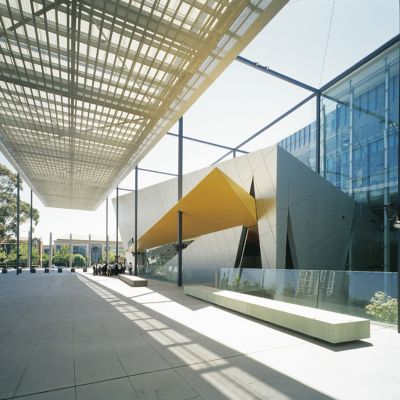
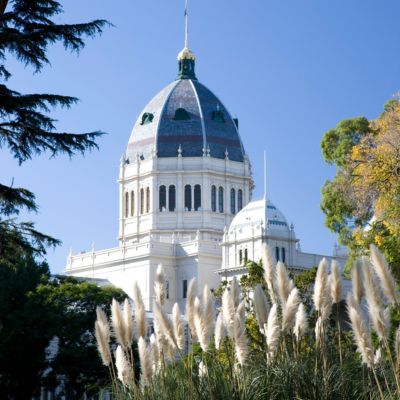
Museums Victoria properties include diverse operations such as the iconic Melbourne Museum and Royal Exhibition Buildings, the popular school holiday destination of Scienceworks, the historical Immigration Museum and the IMAX theatre.
In addition to daily museum visitors, many sites are used in the evenings as function venues, and the Royal Exhibition Buildings host a myriad of indoor and outdoor events during the warmer months.
This diversity of function, geography and seasonal variation means a standard waste audit, that tells you what’s in your bin this week, was of little use.
A holistic approach
To help understand the path to achieving zero waste by 2030, Museums Victoria contracted Closed Loop to generate a clear picture of where we are today and map out a pathway to zero waste.
Closed Loop’s unique approach involved:
– A Rapid Waste and Resource Assessment to determine the proportions of materials that left the site through contracted collections
– An assessment of the accuracy of data reporting of these materials
– An assessment of costs to understand the financial implications of each material stream
– Extensive consultation with key stakeholders to understand why current systems are in place and to explore what implications any future changes might have
– Assessing existing contracts covering relevant operations such as service providers, venue hire and waste management services
This approach is less reliant on measuring what ends up in the bins, but takes a more holistic analysis of the process from end to end, including:
– The upstream elements of waste generation and collection
– The process elements of cleaning and site management
– Aggregation of systems for each waste stream
– Analysis of costs for each waste stream
This approach provides a solid foundation for understanding the different opportunities for alternative solutions and the financial, practical and structural implications of implementing those alternatives.
"testimonial"
- xxx
xxx, Museums Victoria
Bringing it all together
Our recommendations
Our comprehensive analysis provided practical recommendations for application across the organisation and at individual sites, which included:
- Effective strategies for engaging with customers and staff that involved them as agents in delivering the vision.
- Introducing consistent collection systems within and across all sites to provide familiarity and continuity for all stakeholders.
- Costed alternatives for systems that address primary streams such as food waste, cardboard and beverage containers.
- Identifying additional waste streams that had accessible, practical and cost-effective solutions, including avoidance, reuse, repurposing or recycling.
- Recommendations and guidelines for upcoming tenders and contract documents for cleaning and waste management services.
All recommendations were accompanied by a practical implementation timeline together with clear KPIs for assessing progress towards the net zero waste by 2030 target.
Need to revisit your waste strategy?
Talk to us
If you think a Rapid Waste and Resource Assessment is a suitable first step for your business to help you meet your sustainability targets, reach out to speak to one of our consultants today: