

Food Waste Composters
Turn food waste into nutrient-rich compost – in 24 hours
Food waste contributes to more emissions than oil extraction! Help fight food waste and emissions by composting your food waste with our composters.
Our food waste composters use unique technology to replicate ideal heat and microbacterial activity to create a nutrient-rich compost.
Closed Loop are committed to supporting the National Food Waste Strategy to halve food waste by 2030.
Our Food Waste Composters
Closed Loop provides intelligent commercial food waste solutions.
Microbial technology reduces waste volumes by up to 90% in 24 hours, decreases disposal costs, and creates a nutrient-rich, reusable end product.
View our range of commercial composters
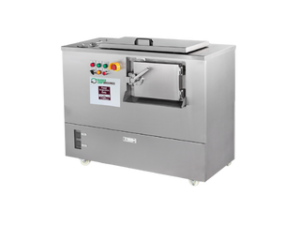
CLO-10
Ideal for offices, small volume restaurants and apartment buildings.
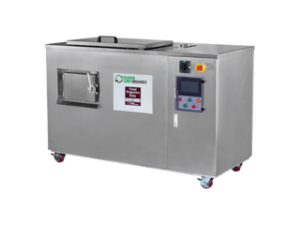
CLO-30
Ideal for schools and moderate volume output cafes and restaurants.
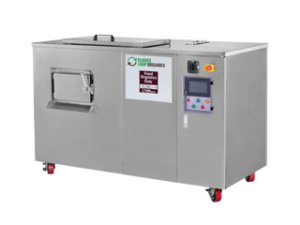
CLO-50
Ideal for restaurants, supermarkets and schools.
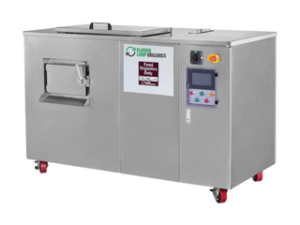
CLO-100
Ideal for high output restaurants, supermarkets, schools, hotels and shopping centres.
Create nutrient-rich compost






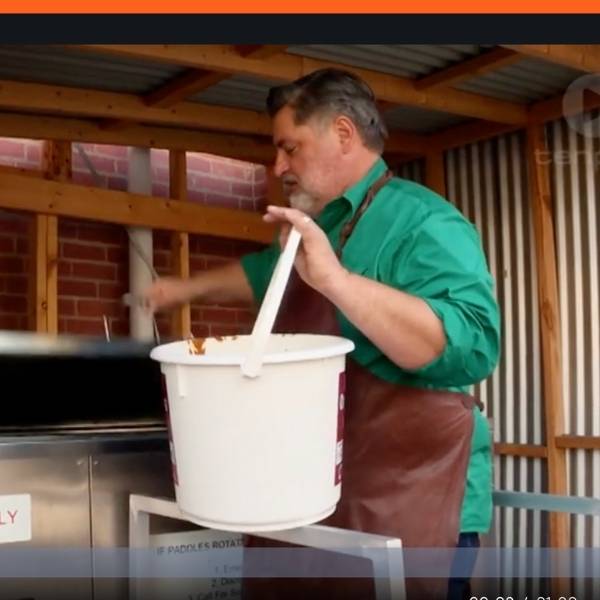
Easy to Master
See how iconic Australian television show MasterChef turn food waste into the compost* that feeds the 60+ planter boxes in the MasterChef garden.
We've made an impact with...










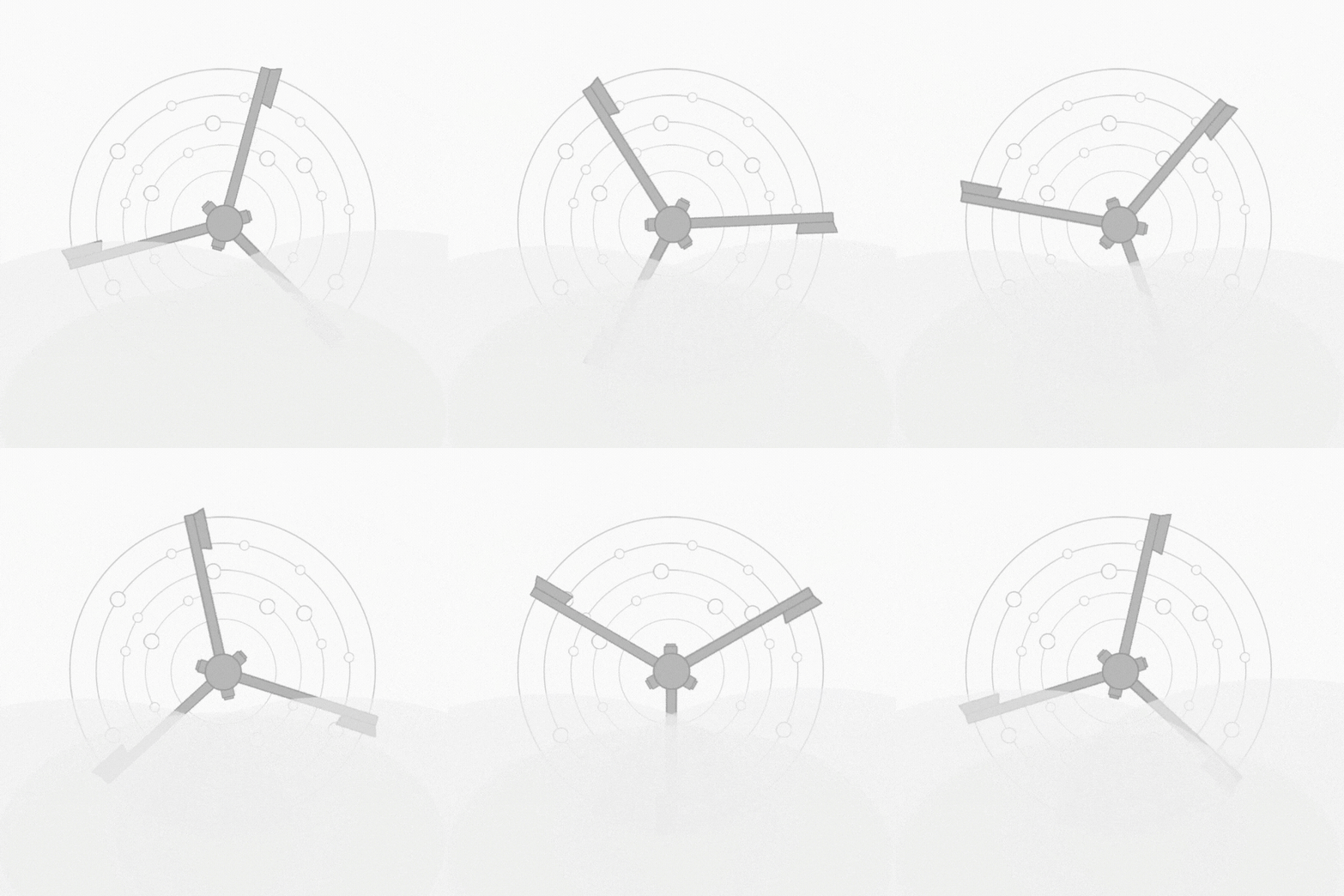
Technology that's easy to use
Closed Loop commercial composters are automated and use microbes, heat, airflow and agitation to transform food waste into nutrient-rich soil amendment in only 24 hours.
Composting machine FAQs
What we do
Circularity is at the core of what we do.
Eliminating food waste and creating nutrient-rich compost is just one part of the circular economy.
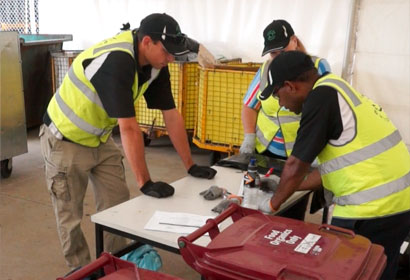
Contact us
Complete the form below and our team will respond to you promptly. Please ensure all fields are completed to prevent delays.
*The use of the term ‘compost’ to describe the process and output of Closed Loop composters is used in accordance with the Oxford Dictionary definition of compost as “decayed organic material used as a fertiliser for growing plants”. The NSW EPA applies a more specific definition of compost – “a process of managed biological transformation: (a) to achieve pasteurisation; and (b) for a period of not less than a total of 6 weeks of composting and curing at an adequate moisture level (>40% by weight), and/or until an equivalent level of biological stability can be demonstrated.” The Closed Loop CLO composters process food waste in 24 hours so do not meet the definition of compost in NSW.