
Understanding FOGO: What Your Business Needs to Know
Across Australia, food scraps and garden waste are increasingly being collected through Food Organics and Garden Organics (FOGO) services – a system designed to separate organic waste from general rubbish and turn it into compost.
For organisations and businesses, understanding how FOGO works is becoming essential as regulations tighten and waste separation requirements expand across New South Wales.
What FOGO means in practice
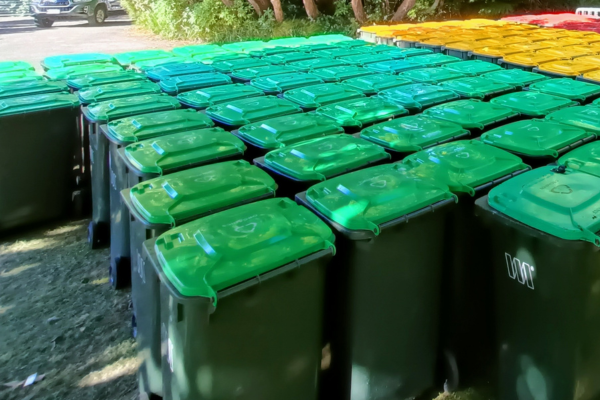
FOGO is a kerbside or collection-based waste service that diverts food and garden waste away from landfill. These materials are placed in a green-lid bin or dedicated organics stream and processed through commercial composting facilities.
Instead of being sent to landfill, organic material is recovered and transformed into nutrient-rich compost used in agriculture, landscaping, and soil restoration.
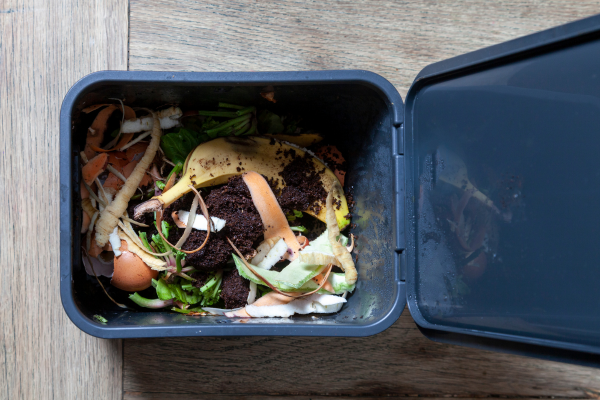
Food scraps in kitchen caddy
Why FOGO matters for business
Organic waste makes up a significant proportion of commercial landfill output, particularly in hospitality, retail food operations, healthcare, education, and large-scale institutions.
When food waste breaks down in landfill, it generates methane, a potent greenhouse gas. Diverting this material through FOGO systems significantly reduces emissions while supporting the production of usable compost.
For businesses, this shift is not only environmental but operational. Waste separation practices, reporting requirements, and procurement decisions are all increasingly influenced by organics recovery standards.
In practice, this means FOGO is no longer just about waste – it’s about how your operations are set up to manage it.
NSW FOGO regulations and what is changing
New South Wales is progressively expanding mandatory organics separation through its waste and resource recovery framework.
Key changes include:
Households and councils
By 1 July 2030, all NSW councils will be required to provide households with access to a food and garden organics service alongside general waste collection.
Businesses and institutions
From 1 July 2026, staged requirements will be introduced for large food waste generators, including supermarkets, hospitality venues, and institutional settings, to implement source-separated food organics collection systems. This rollout will continue through to 2030, expanding coverage across more sectors over time.
Large supermarkets and food retailers
Additional requirements include improved tracking and reporting of surplus food across categories such as fresh produce, dairy, meat, frozen goods and bakery items. This is designed to strengthen food waste transparency across the supply chain and support diversion initiatives.
These changes mean organics separation will move from optional sustainability practice to regulated operational requirements.
The role of on-site management
As requirements increase, reliance on collection alone becomes harder to manage – particularly for high-volume generators. Many organisations are exploring solutions that reduce reliance on external collection systems and improve waste handling efficiency at the source.
One option is on-site processing, such as Closed Loop’s commercial composters, which allow businesses to manage food waste directly within their operations.
By converting organic material into compost on-site, organisations can:
- Reduce waste volumes sent to landfill
- Improve compliance with emerging FOGO requirements
- Lower collection and disposal costs
- Strengthen Environmental, Social, and Governance (ESG) and sustainability reporting outcomes
On-site processing also helps organisations maintain greater control over contamination risks and waste segregation performance, which are key considerations as regulatory expectations increase.
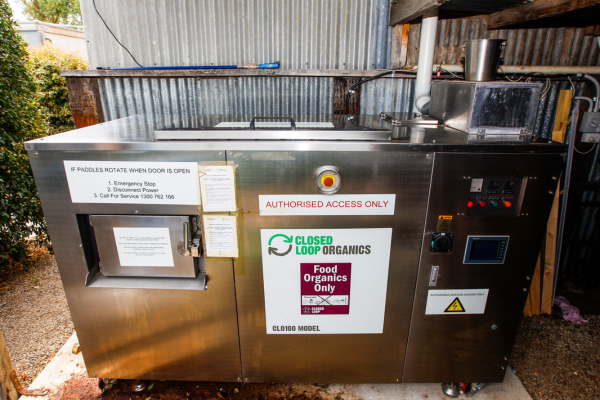
Closed Loop Commercial Composter
If your business uses compostable or paper takeaway cups, it’s also important to note these are typically not accepted in FOGO systems. Simply Cups provides a dedicated recovery pathway to keep these materials out of landfill.
A broader shift towards circular resource recovery
FOGO is part of a wider transition towards circular economy principles, where materials are recovered and kept in use rather than lost to landfill.
For businesses, this shift is increasingly shaping procurement decisions, waste infrastructure planning and sustainability reporting frameworks.
Closed Loop supports this transition through integrated recovery solutions, including organics composting systems and product stewardship programs such as Simply Cups.
Together, these systems help ensure materials like food waste and takeaway cups are recovered and processed responsibly.
The future of food waste recovery
FOGO is no longer just a household waste service. It is becoming a core part of Australia’s commercial waste and resource recovery landscape, particularly in New South Wales as new regulations come into effect.
Now is the time to review organics handling processes, prepare for upcoming compliance requirements, and explore solutions that support both operational efficiency and environmental outcomes.
Not sure what is the best solution for your business?
Start by assessing your current waste and organics systems – and where the gaps are likely to emerge as requirements tighten.